
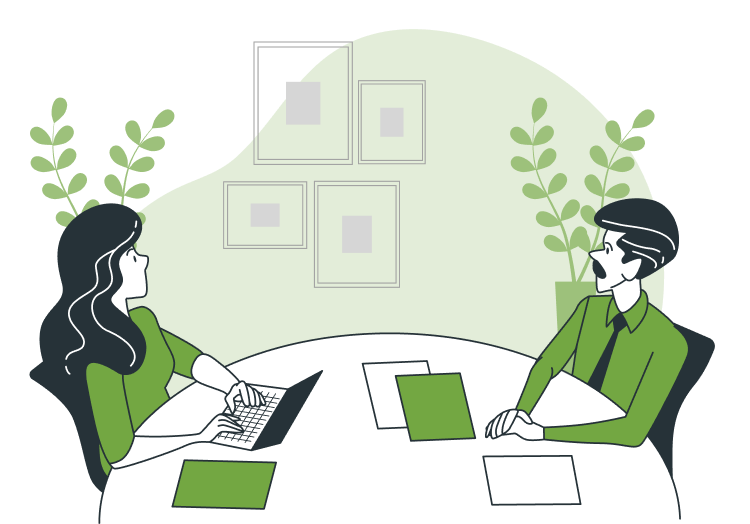
A helpful starting point: A budget does not need to be perfect. It is a simple picture of what comes in, what goes out and what needs attention first.
Start with the essentials
Begin by writing down the money you receive each month and the payments that must be made first. Rent, energy, food and travel are good places to start.
Looking at these figures together can make it easier to spot where you may need more information or support.
QUICK GUIDE
Jump to a section
Know what is coming in
List wages, benefits, pensions or any other regular income. If the amount changes, use a realistic monthly average and leave room for unexpected changes.
Plan priority payments
Put essential payments at the top of your list and note when they are due. A calendar reminder can help you see busy weeks before they arrive.
A SIMPLE CHECK
At the end of each month, compare what you planned with what you actually spent. Use what you learn to adjust the next month.
Try small changes
Small changes can add up. Review subscriptions, compare household costs and plan meals before shopping. Choose one change that feels realistic and try it for a month.
If your finances are becoming difficult to manage, speak to a trusted advice service early. Asking for help is a sensible step.